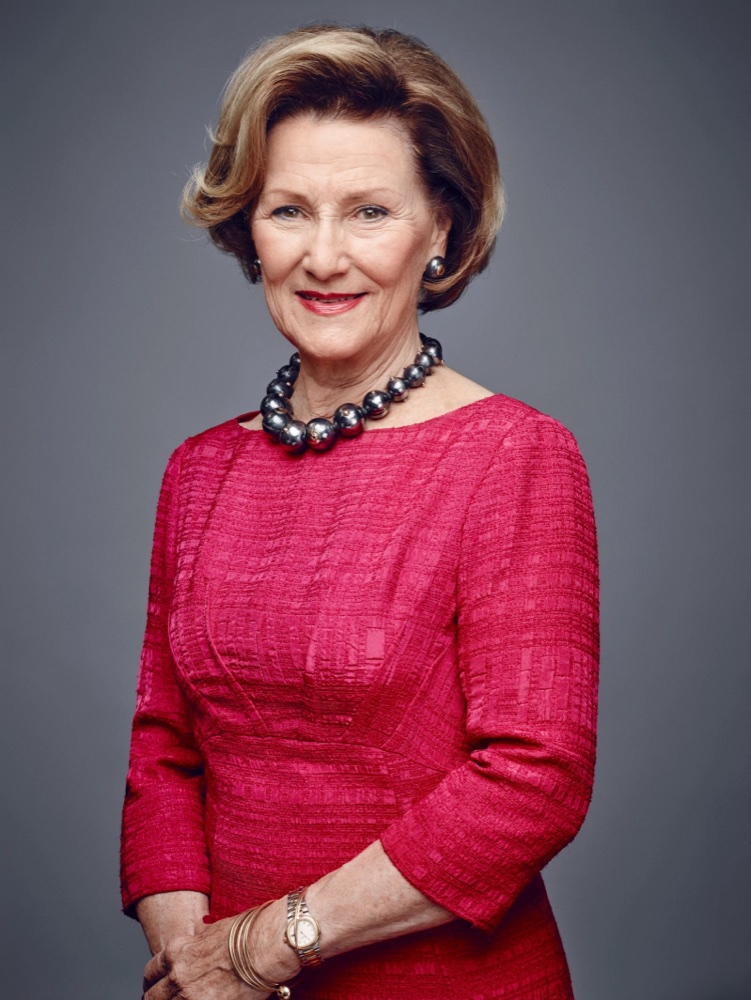
Photo: Jørgen Gomnæs, The Royal Court
Queen of Norway from 1991 to 2026
Queen Sonja
Born 4 July 1937
Sonja Haraldsen from the Vinderen district of Oslo became Norway's queen in 1991, the first in 53 years. From the wedding in 1968 until King Harald died in 2026 she was the country's first lady for 58 years.
• Growing up at Vinderen
Sonja Haraldsen was born in Oslo on 4 July 1937. She grew up in Tuengen allé in the Vinderen district of Oslo with her parents Dagny (1898 to 1994) and Karl August Haraldsen (1889 to 1959). Her father was a merchant.
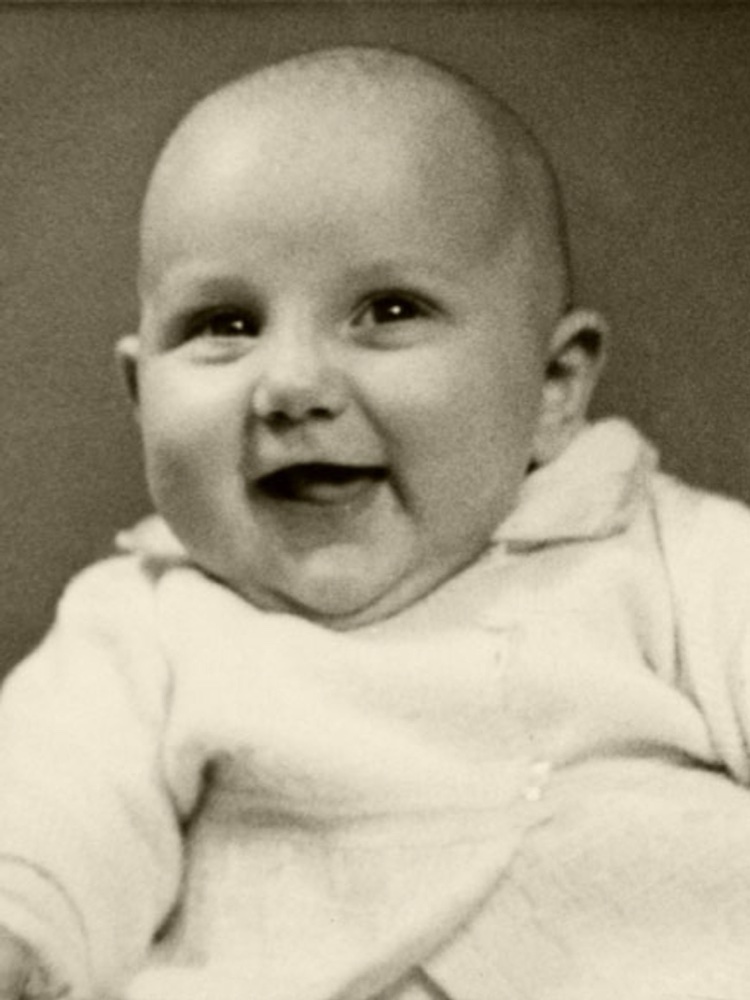 Sonja Haraldsen, 1937. Photo: Sturlason, The Royal Collections
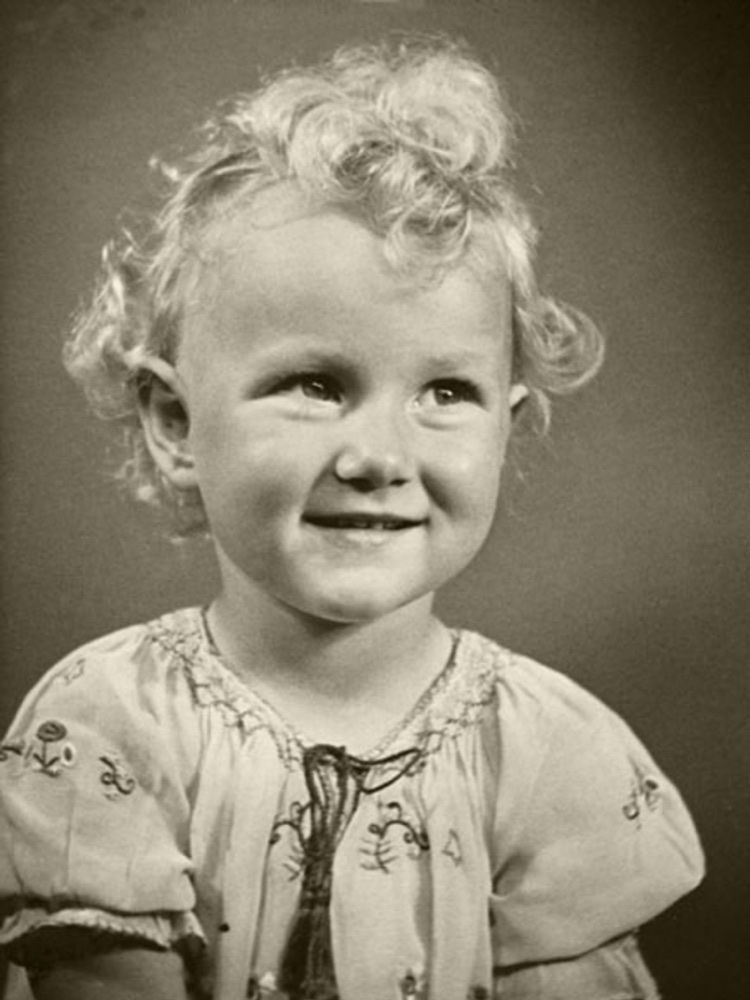 Sonja Haraldsen, 1941. Photo: Sturlason, The Royal Collections
• Dressmaker and graduate
She started at Roll og Ihlen school in 1944 and continued at Slemdal school, which she left in 1951. She passed her lower secondary exams at Ris school in 1954.
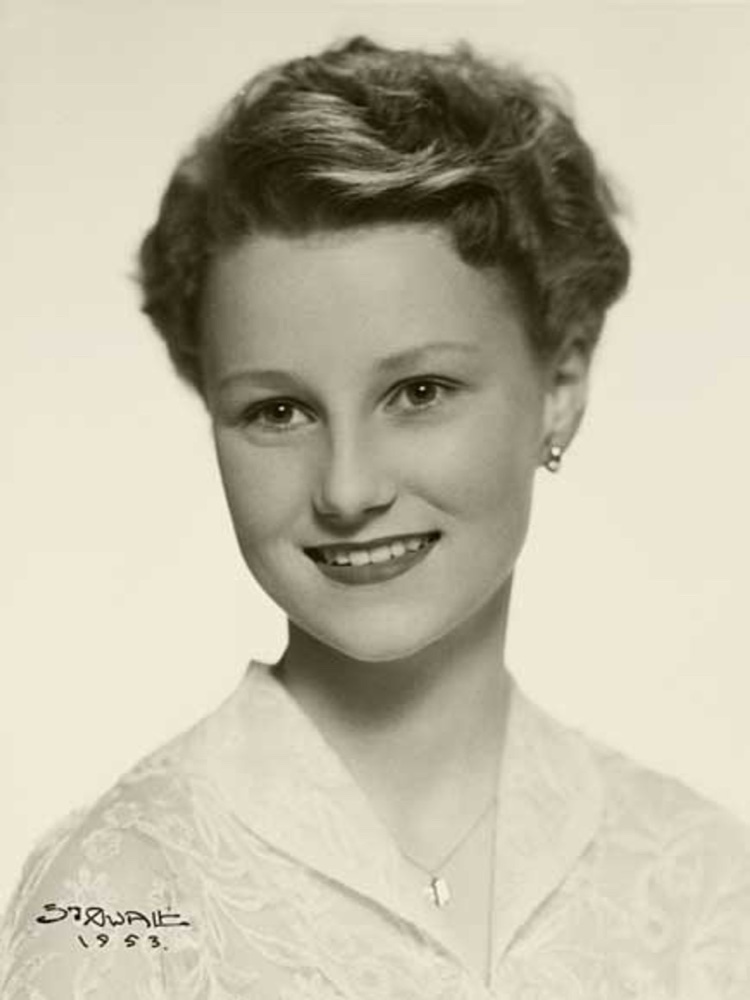 Sonja Haraldsen, 1953. Photo: G. Sjøwall, The Royal Collections
She then trained in dressmaking and tailoring at Oslo vocational school in 1954 and 1955. After that she went to Switzerland and took her exams at l'École Professionnelle de jeunes Filles in Lausanne in 1957, equivalent to a craft certificate. She also studied social science, accounting and fashion drawing there. According to the Great Norwegian Encyclopedia, she also studied languages in Cambridge in England and worked for a time in her father's business.
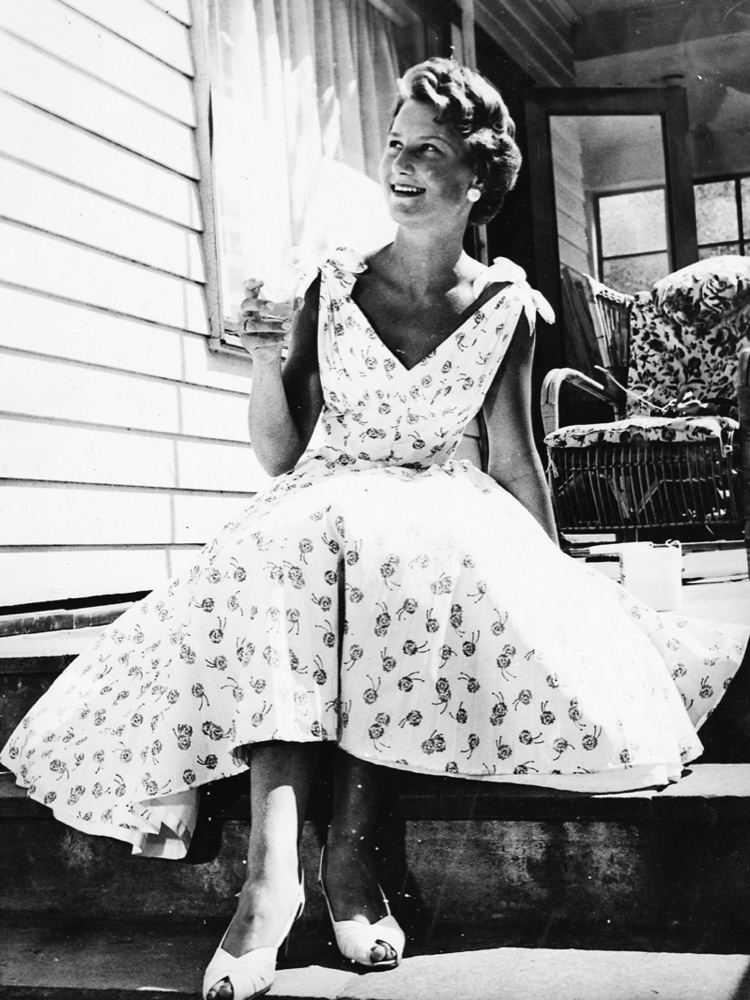 Sonja Haraldsen in a dress she made herself, Tuengen allé, 1955. Photo: Private
In 1961 she passed her upper secondary exams as a private candidate at Bjørknes private school. At the University of Oslo she took English in 1964, French in 1967 and art history in 1971, earning the degree of cand.mag. She is also a qualified ski instructor.
• The nine years
Sonja Haraldsen met the then Crown Prince Harald in the summer of 1959. It would be nine years before they were allowed to marry. The reason was that the Crown Prince wanted to marry a commoner, not a princess or noblewoman from one of Europe's royal houses. It broke with old traditions, and many politicians feared it could threaten the monarchy.
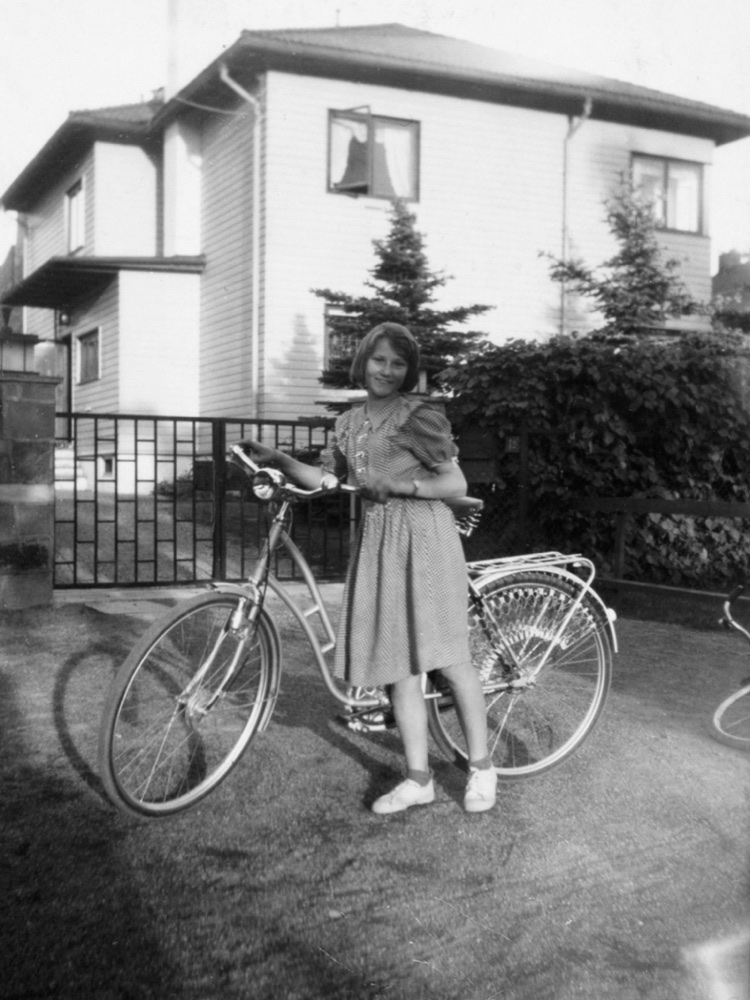 Sonja Haraldsen outside Tuengen allé. Photo: The Royal Collections
King Olav was in a difficult position. According to the Great Norwegian Encyclopedia, the Crown Prince told his father in 1967 that he would remain unmarried if he could not marry Sonja. Before giving his consent, the King sought the advice of Prime Minister Per Borten's government and the leaders of the parties in parliament.
The engagement was announced on 19 March 1968. The President of the Storting, Bernt Ingvaldsen, read out a letter from King Olav giving his consent to the Crown Prince's engagement to "Miss Sonja Haraldsen". As soon as the news was out, flags were raised on all public buildings.
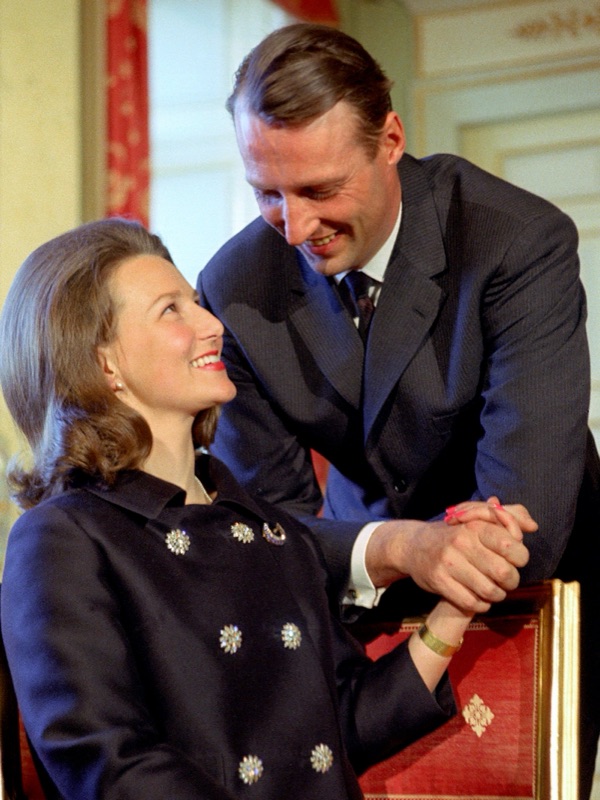 The engagement was announced on 19 March 1968. Photo: NTB archive
The engagement sparked a debate about the future of the monarchy in Norway, but opposition was far smaller than many had feared. Crown Princess Sonja was accepted by the people from the very start.
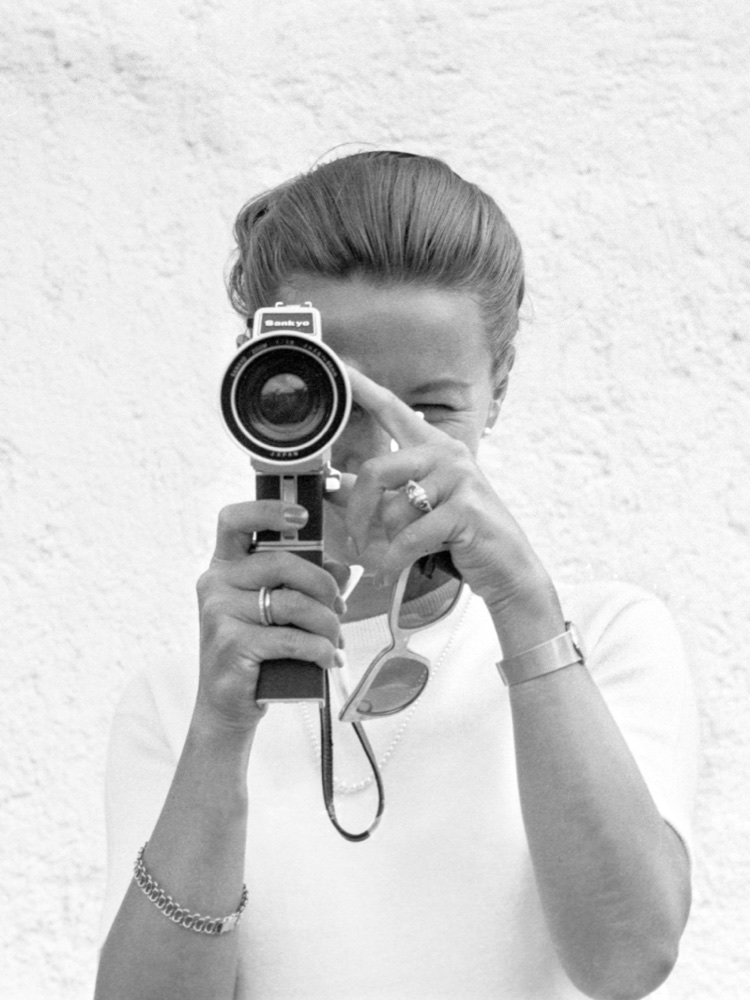 With a camera at the Olympics in Mexico in 1968. Photo: Rolf Arne Odiin / NTB
• The wedding in 1968
The wedding took place in Oslo Cathedral at 5 pm on 29 August 1968. The city was decorated with flags and flowers, and almost 3,000 soldiers lined the route from the Palace to the cathedral. Around 850 guests were invited, and the cathedral was decorated with more than 2,500 flowers.
King Olav walked the bride down the aisle, and Bishop Fritjov Birkeli of Oslo married the couple. As they came out of the church, a double royal salute of two times 21 shots was fired from Akershus Fortress. The wedding was celebrated for three days.
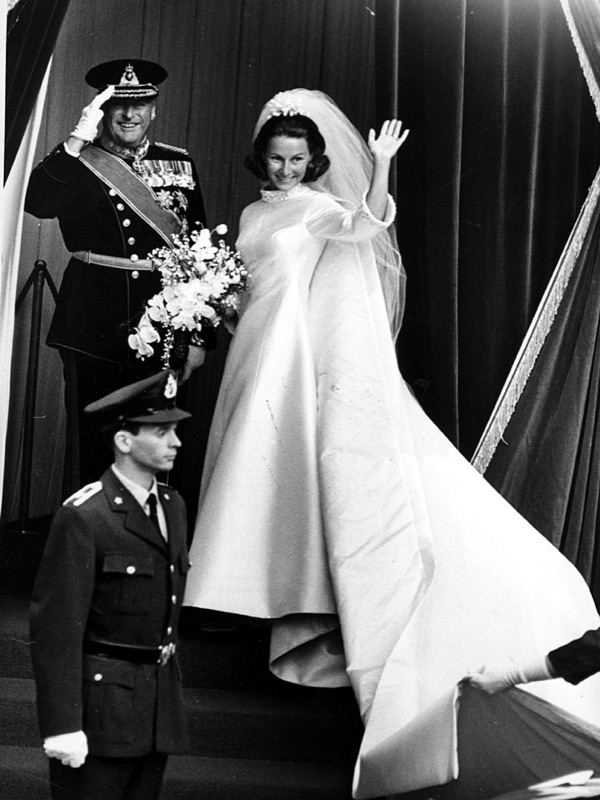 King Olav and Sonja Haraldsen before the ceremony. Photo: NTB archive
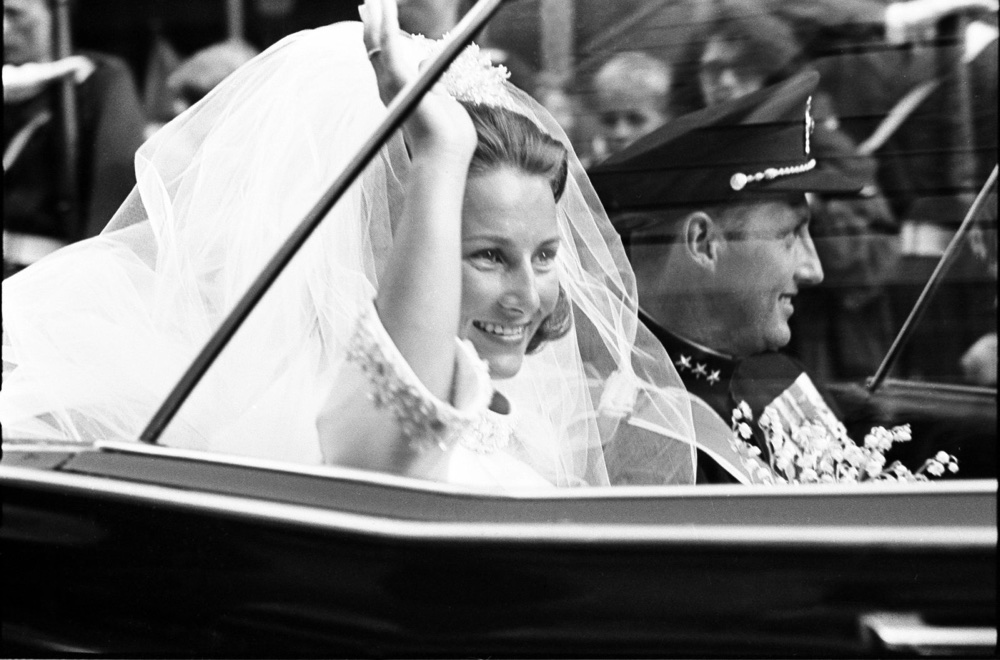 The Crown Prince couple drive from Oslo Cathedral to the Palace in an open car after the wedding in 1968. Photo: Vidar Knai / NTB
• Crown Princess for 23 years
After the wedding, Crown Princess Sonja took over from Princess Astrid as Norway's first lady. According to the Great Norwegian Encyclopedia, it was not easy to find her place at a court that was then organised almost like a military unit. It took many years before she got her own office and secretary at the Palace.
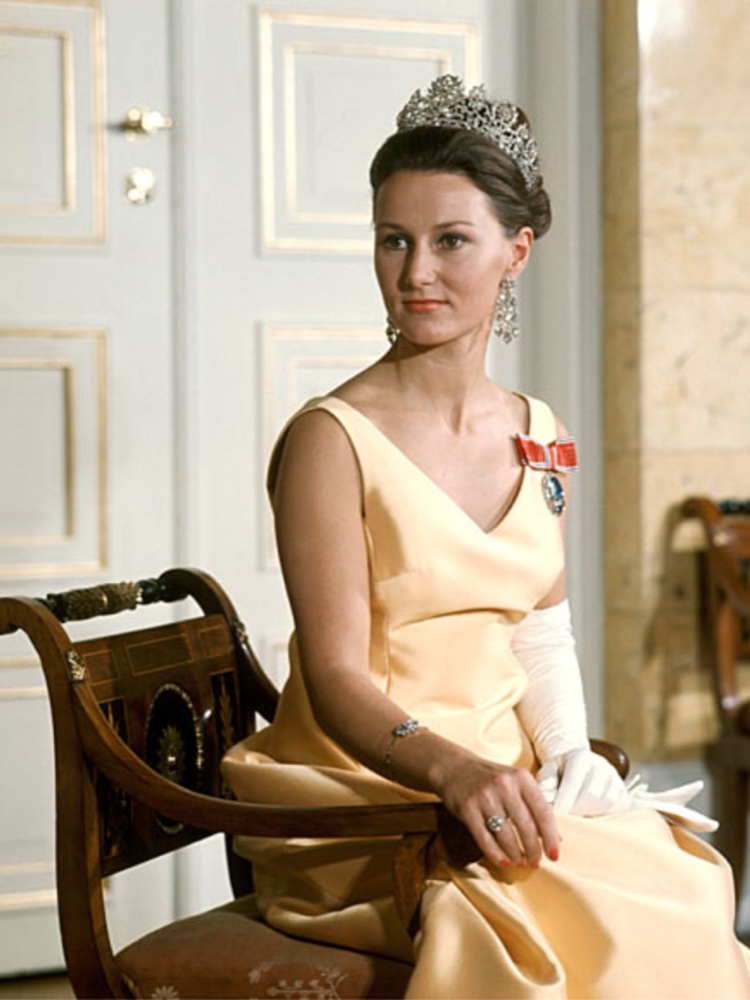 Crown Princess Sonja, 1969. Photo: Erik Thorberg / NTB
The Crown Prince couple were given special responsibility for promoting Norwegian business and culture on trips abroad, and they planned tours to every part of the country. Their children grew up at Skaugum in Asker, and their parents wanted them to have as ordinary a childhood as possible, shielded from the press.
She took up the cause of refugees early on. In 1974 she sat on the committee for the very first national TV fundraising campaign, which went to the Norwegian Refugee Council. She opened the campaign on the island of Utsira, and took part in another fundraising campaign for refugees in 1979.
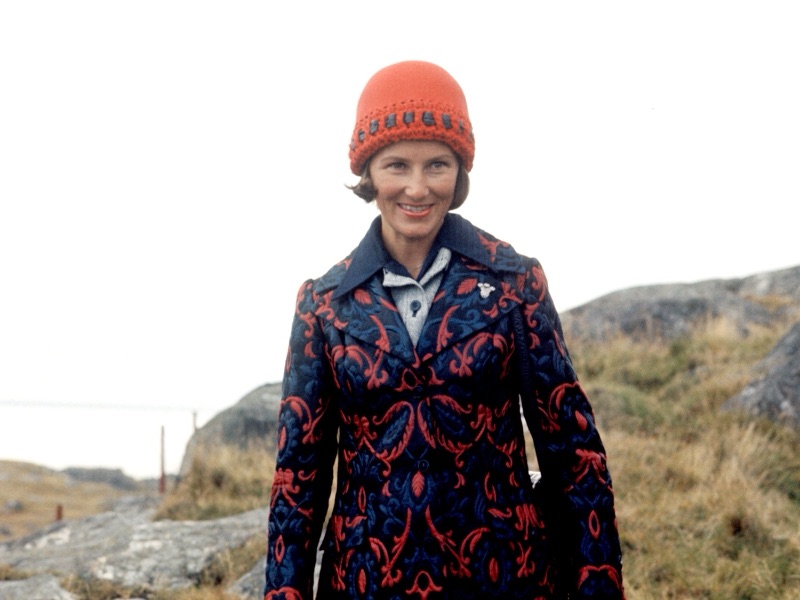 Crown Princess Sonja opens the very first TV fundraising campaign on Utsira in 1974. Photo: Vidar Knai / NTB
• Norway's first queen in 53 years
When King Olav V died at Kongsseteren on 17 January 1991, Harald and Sonja became Norway's new King and Queen. She was the country's first queen in 53 years. The previous one was Queen Maud, who died in 1938.
On 21 January she accompanied King Harald when he swore his oath to the Constitution in the Storting. For the first time in 69 years, a queen was present in the parliamentary chamber. She went on to accompany the King every autumn when he opened the Storting.
At their own wish, the King and Queen were consecrated in Nidaros Cathedral in Trondheim on 23 June 1991. King Harald was keen that the Queen should also be part of the ceremony. Bishop Finn Wagle laid his hand on her head and prayed, among other things: "Let her work be a support for the King's work."
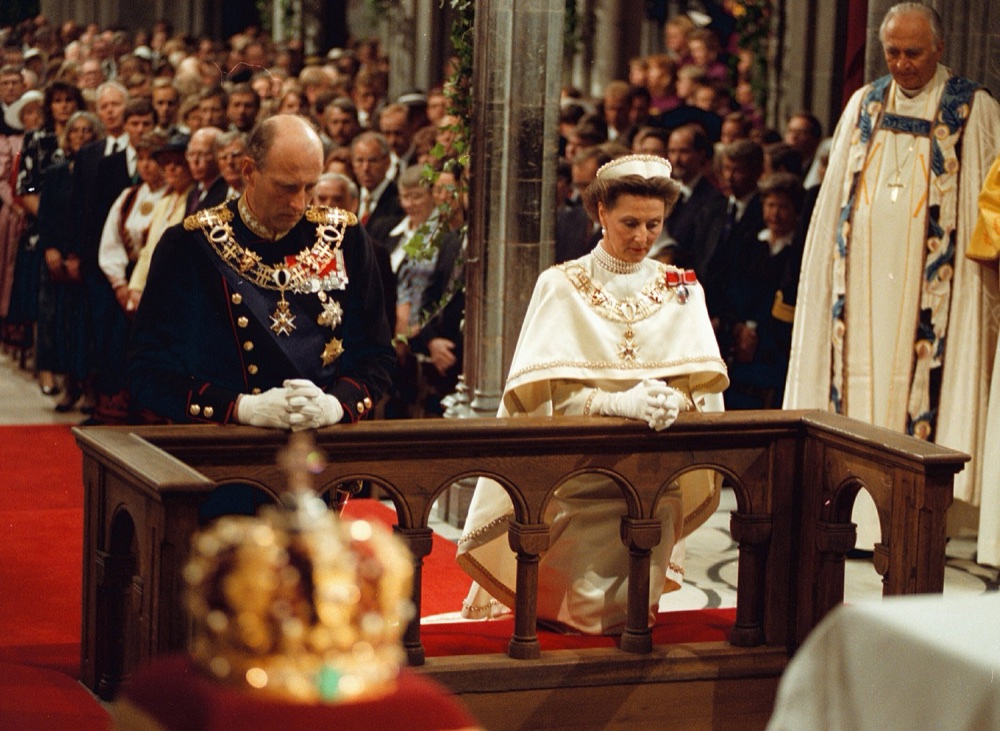 The consecration in Nidaros Cathedral on 23 June 1991. Photo: Knut Falch / NTB
The consecration was followed by a ten-day journey through southern Norway, with the King and Queen sailing along the coast back to Oslo on the royal yacht. The following year the royal family spent 22 days travelling through the four northernmost counties. The custom of a long journey around the country goes back to the Middle Ages, when new kings were acclaimed at assemblies around the realm.
• The Queen who modernised the Palace
According to the Great Norwegian Encyclopedia, Queen Sonja made the royal house more open and approachable. She introduced modern working methods at the Palace, with regular meetings and careful planning. From 1993 she led the major renovation of the Royal Palace in Oslo, work the encyclopedia describes as well managed and with an impressive result.
She has also been keen for the public to be able to see the Palace and the royal properties, with guided tours of the Palace, Oscarshall and the Queen Sonja Art Stable.
As first lady she accompanied King Harald on state visits abroad and was hostess when foreign heads of state came to Norway. Every year the King and Queen also toured a county, visiting several municipalities. The state visit to Jordan in 2020 was the couple's 50th outgoing state visit.
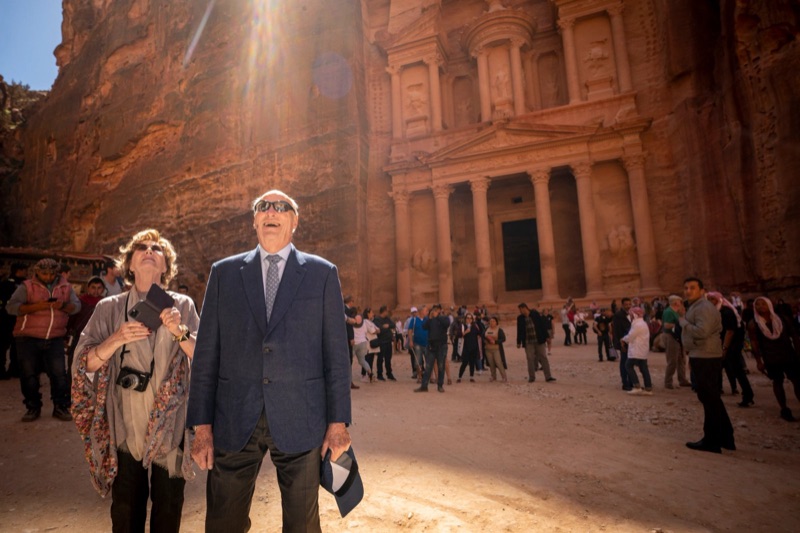 The King and Queen in the ancient city of Petra during the state visit to Jordan in 2020. Photo: Heiko Junge / NTB
• Family
King Harald and Queen Sonja had two children: Princess Märtha Louise, born on 22 September 1971, and Prince Haakon, born on 20 July 1973. They had six grandchildren.
The King and Queen became grandparents as early as 2001, when Mette-Marit joined the family with her son Marius Borg Høiby. Princess Ingrid Alexandra was born in 2004 and Prince Sverre Magnus in 2005. Princess Märtha Louise has three daughters from her first marriage: Maud Angelica, born in 2003, Leah Isadora in 2005 and Emma Tallulah in 2008. In 2024 Märtha Louise married the American Durek Verrett.
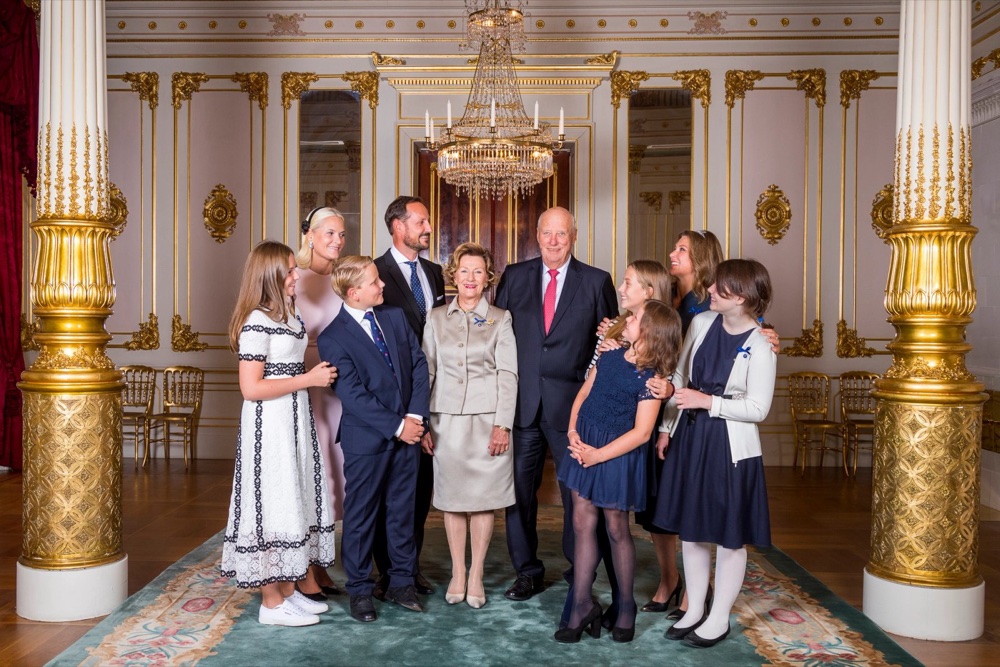 The King and Queen surrounded by their family at their golden wedding anniversary in 2018. Photo: Heiko Junge / NTB
• A heart for those in need
The Queen was vice president of the Norwegian Red Cross from 1987 to 1990, and in 1982 she received the Nansen Medal from the UN High Commissioner for Refugees for her work. In 2010 she travelled to the Dadaab refugee camp in Kenya in connection with the TV fundraising campaign for the Norwegian Refugee Council, and in the anniversary year 2024 she was patron of the TV campaign.
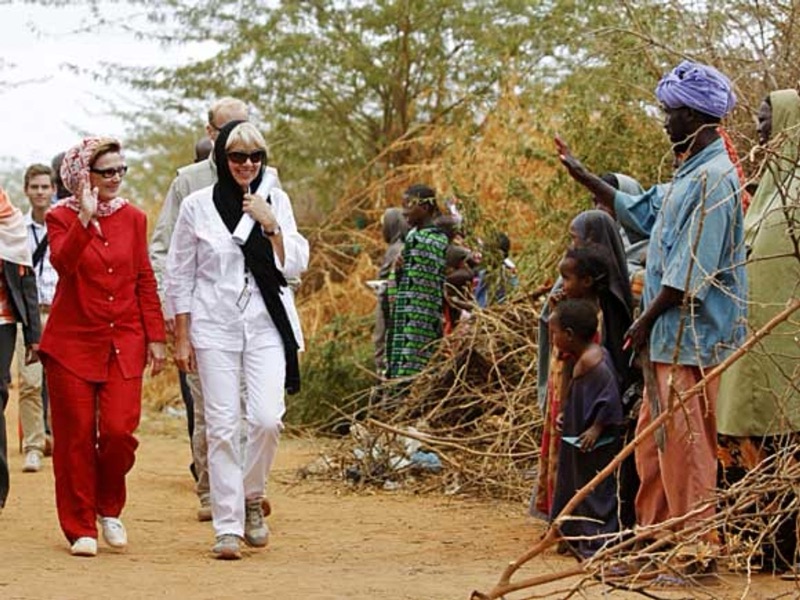 The Queen in the Dadaab refugee camp in Kenya in 2010. Photo: Erlend Aas / NTB
For many years she has made a tradition of visiting places that help children, vulnerable women, the elderly, homeless people and people with addictions before Christmas. She has been particularly concerned with the situation of immigrant women in Norway, and was for many years patron of the MIRA Centre, a resource centre for women with minority backgrounds.
Schools and education are also close to her heart. In 2005 she founded the Queen Sonja School Prize, awarded every other year to a school that is good at including all its pupils. Until 2023 she presented the prize herself at the winning school, before Crown Prince Haakon took over.
• Art
Queen Sonja has collected art since she was young, and she is open to new forms of expression. She showed her collection at the Henie Onstad Art Centre in 2001, and in 2012 she held a new exhibition there with her own works, parts of her collection and six portraits of her made by Andy Warhol in 1982. She has also written the books "Impulser. Portrett av en samler" (2000) and "Klangbunn" (2002).
She has made prints and ceramics herself and exhibited both in Norway and abroad. In 2011 she set up an artists' grant together with the artists Kjell Nupen, Ørnulf Opdahl and Ole Larsen. From 2014 it became international under the name Queen Sonja Print Award, as far as is known the largest prize in printmaking.
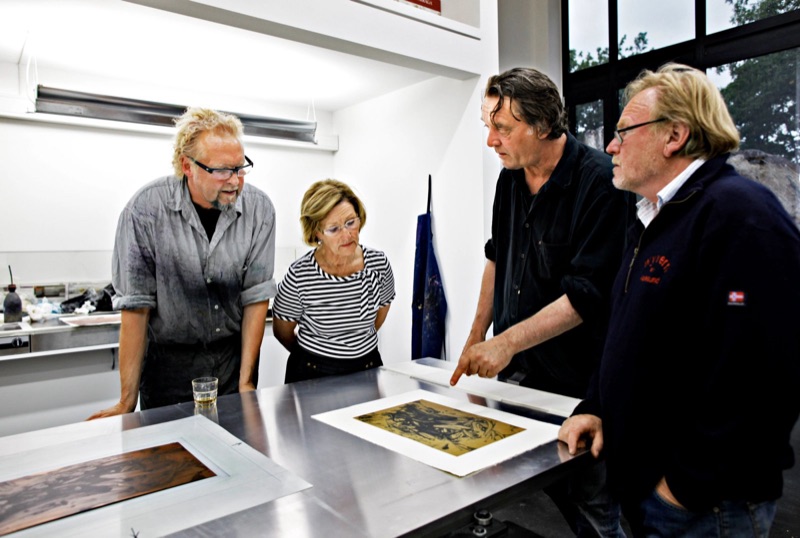 The four founders of the Queen Sonja Print Award: Ole Larsen, Queen Sonja, Kjell Nupen and Ørnulf Opdahl. Photo: Rolf M. Aagaard, The Royal Court
On her 80th birthday on 4 July 2017 she opened the Queen Sonja Art Stable at the Palace, eight months after King Harald surprised her with the palace stables as a birthday present. She has also been patron of the Society for the Preservation of Norwegian Ancient Monuments, and in 2015 she received the Norwegian Heritage honorary award for her work to preserve old buildings and traditional crafts.
• Music
Music is another great interest. In 1988 she founded an international music competition in Oslo. The first two editions were for pianists, and since then it has been for young opera singers. Today it is called the Queen Sonja International Music Competition, held every other year, and the Queen presents the prize to the winners herself.
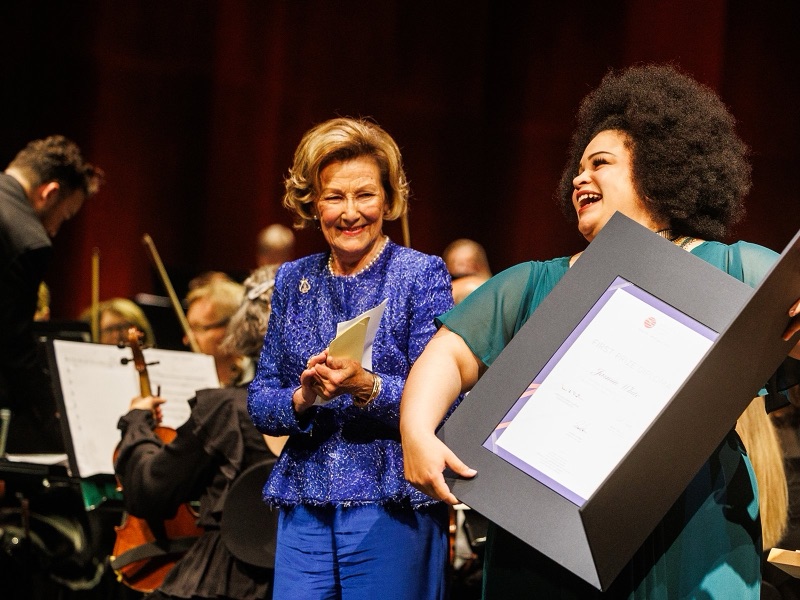 The Queen presents first prize in the 2023 Queen Sonja International Music Competition to Jasmin White from the USA. Photo: Per Ole Hagen, QSSC
She has also been patron of organisations including the Norwegian National Opera & Ballet, the Oslo Philharmonic, the Oslo Chamber Music Festival and the Elverum Festival.
• The hiking Queen
Her love of nature and the outdoors is well known. There is hardly a place in the country she has not visited, several hiking trails have been named after her, and she is an honorary member of the Norwegian Trekking Association. For many years she has gone on long hikes around the country, often with Queen Margrethe of Denmark.
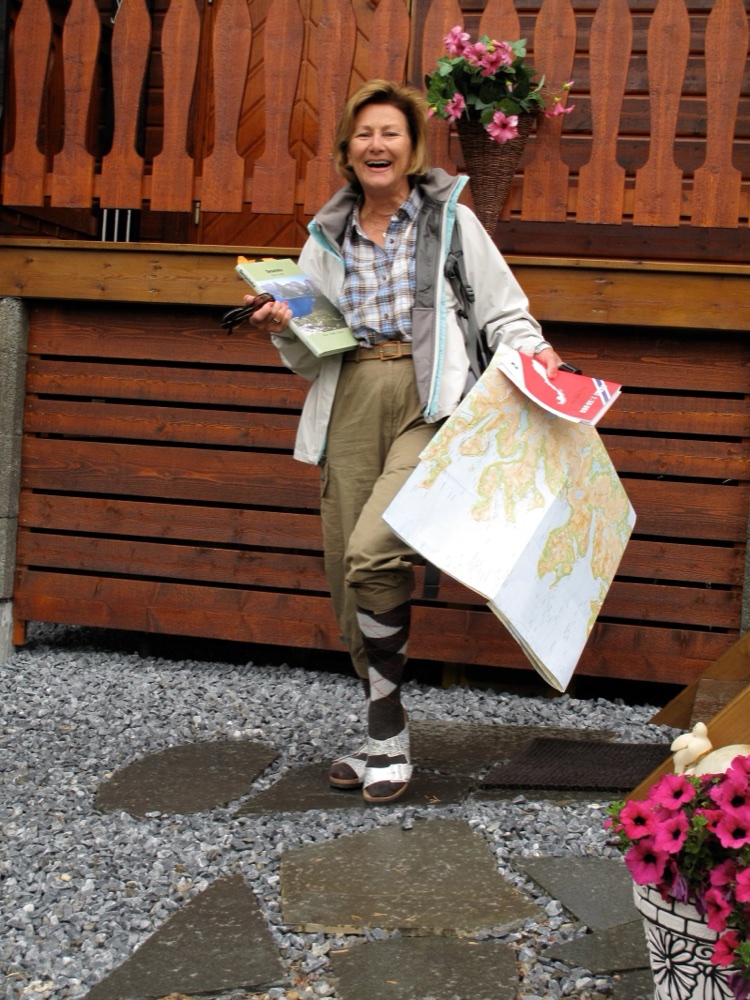 Ready for a hike to Grunnfarnes on Senja. Photo: Private, The Royal Court
She is also a skilled sailor. According to the Great Norwegian Encyclopedia, she won the Norwegian championship in the H-boat class in 1985.
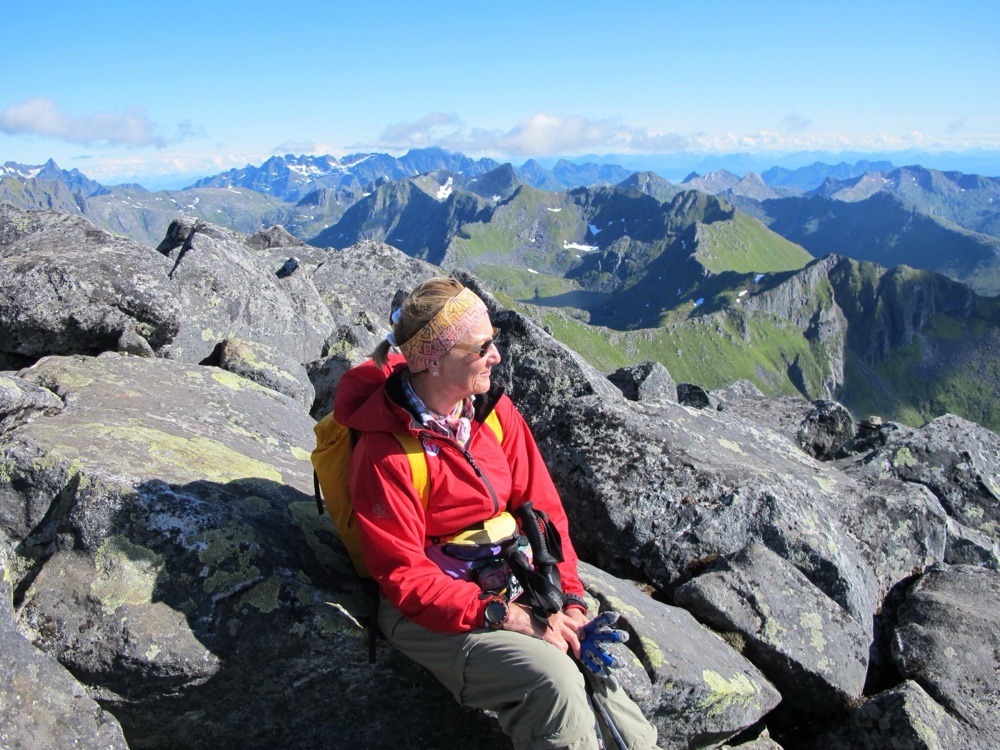 Hiking over Matmora and Delpen in Lofoten. Photo: Private, The Royal Court
On her 80th birthday in 2017, a statue of her by the sculptor Kirsten Kokkin was unveiled in the Palace Park. It shows the Queen sitting on a rock with her rucksack and has been named The Hiking Queen.
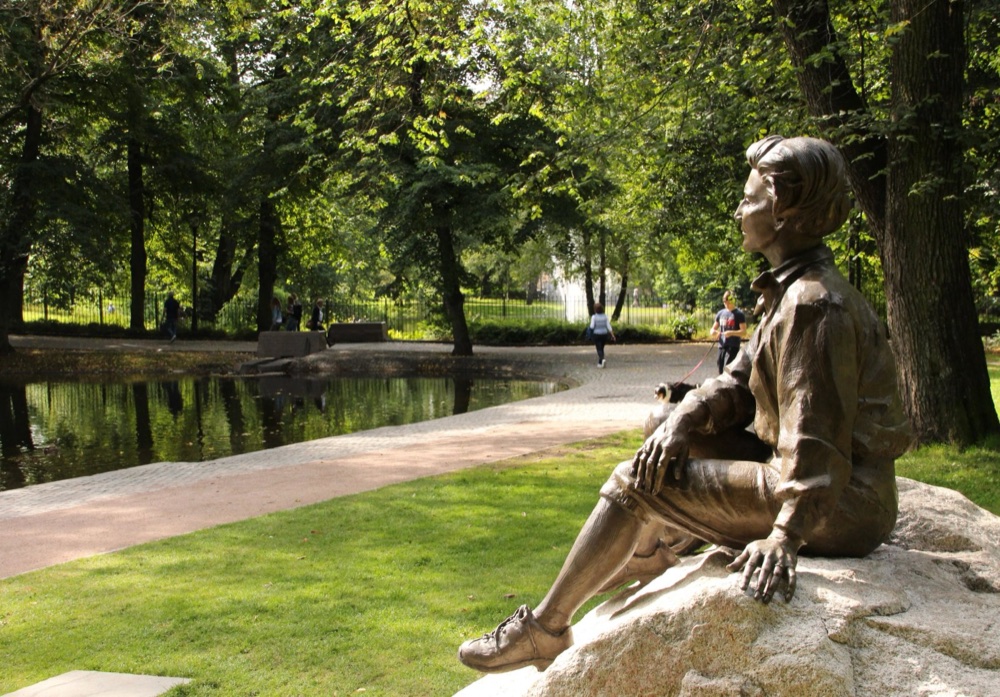 The statue of Queen Sonja, called The Hiking Queen. Photo: Liv Osmundsen, The Royal Court
• Queen for 35 years
Queen Sonja was Norway's queen until King Harald died on 28 August 2026, when King Haakon VIII and Queen Mette-Marit took over. By then she had been queen for 35 years and the country's first lady for 58 years, since the wedding in 1968. She remains an active representative of the royal house and carries out her own official engagements.
At the change of monarch, the standing royal patronages lapsed, as is the custom. The organisations she was patron of can apply for a new patronage by 1 February 2027.
• Queen, but no longer "Her Majesty"
After the change of monarch she kept the title of queen and is now known as Queen Sonja. The form of address "Her Majesty the Queen" is now used for Queen Mette-Marit. According to the Great Norwegian Encyclopedia, Sonja does not formally hold the title of queen dowager, even though she is the first Norwegian queen since 1905 to lose her husband while he was king.
In the press release about Princess Astrid's funeral in September 2026, the palace referred to her as "kongemoren", literally "the King's mother". The word drew attention because, according to Dagbladet, the term has not been used in Norway since the Middle Ages. Royal expert Trond Norén Isaksen argued the word was wrong, since its wording means a king who is a mother. On the royal house's own website she is still called Queen Sonja.