Photo: The Royal Court
Paul walked here: Queen Mary visits the ancient city of Perge
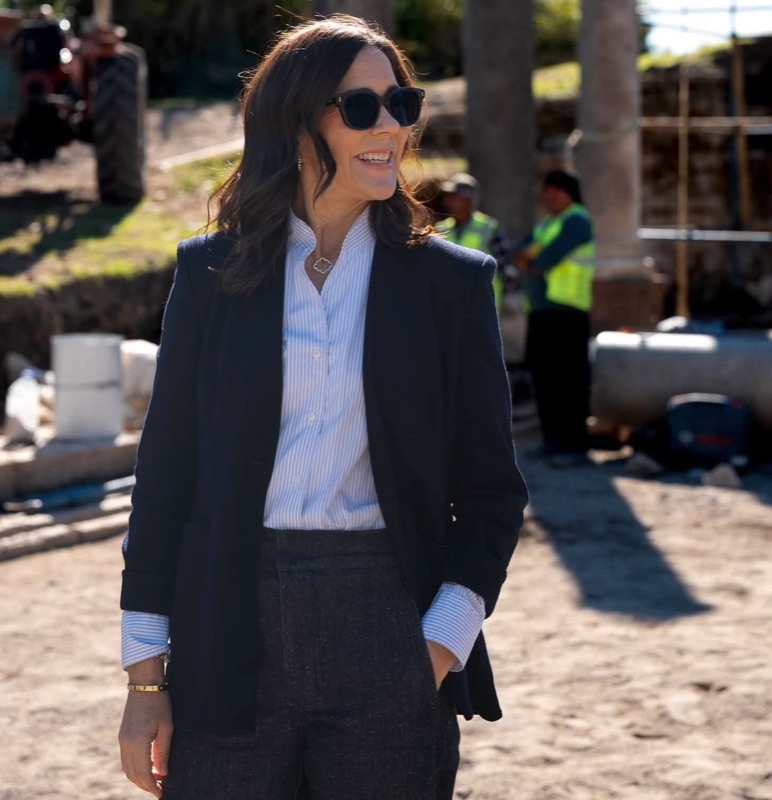
Queen Mary was given a tour of Perge, a city more than 5,000 years old east of Antalya. The visit highlighted cooperation between Denmark and Türkiye on archaeology.
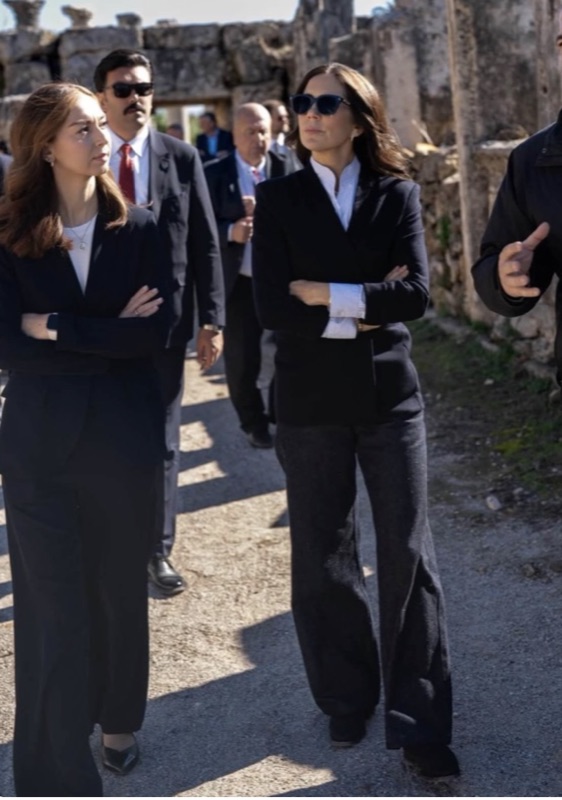
The Apostle Paul walked these streets, and a powerful woman named Plancia Magna built the great city gate. On Monday it was Queen Mary who walked through Perge, an ancient city east of Antalya in Türkiye. The visit was part of her trip to the UN Climate Change Conference COP31.
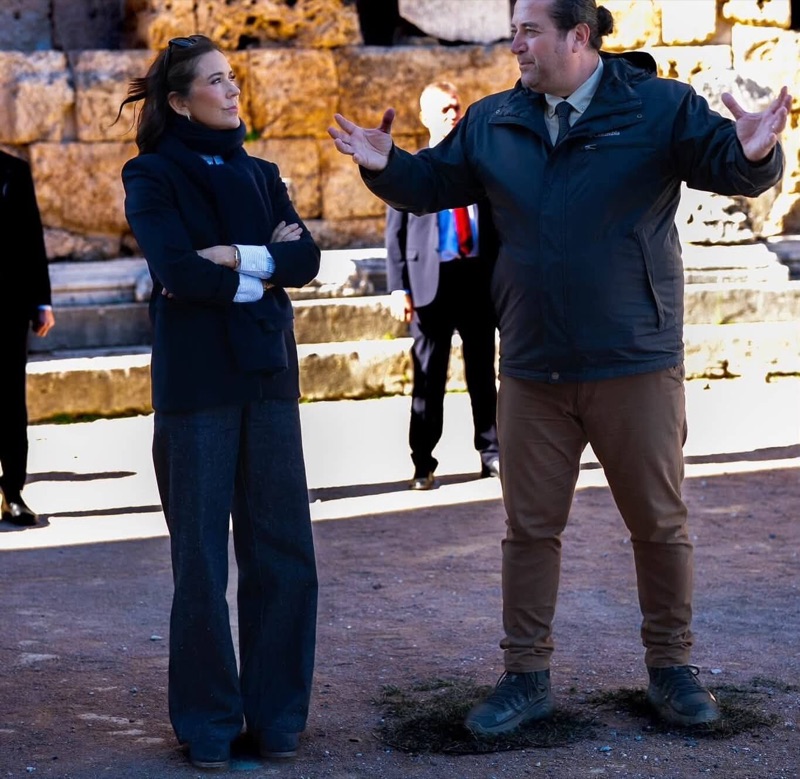
According to the Danish Royal House, the Queen was given a tour by an archaeologist from Istanbul University. She also saw the ongoing excavations led by the Antalya Museum.
A city with more than 5,000 years of history
Perge lies about 15 kilometres east of Antalya, on the plain between two rivers. The oldest traces of people at the site are between 5,000 and 6,000 years old. The city was Greek, and Alexander the Great was welcomed here in 334 BC. The Royal House writes that Perge reached its height in Roman times. It was especially between the years 100 and 300 AD that the city grew and gained the large buildings that still stand today.
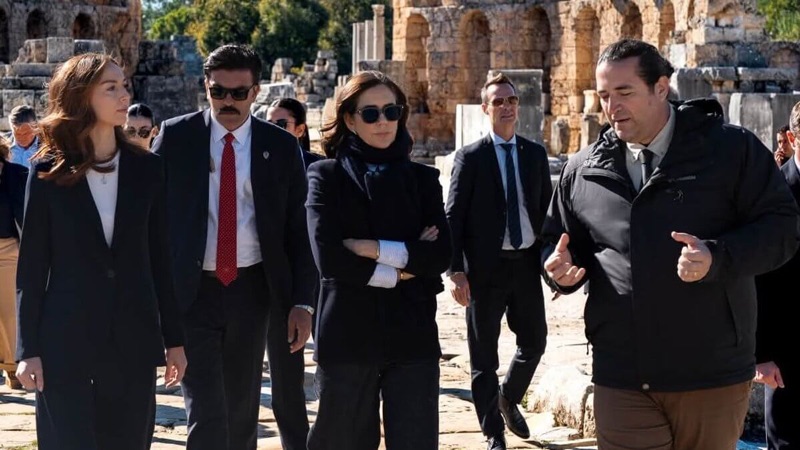
According to the Acts of the Apostles in the Bible, Paul and Barnabas came to Perge on their first missionary journey, and Paul preached in the city on their way back. Its best known resident, however, may be Plancia Magna, the daughter of a Roman governor. She gave the city generous gifts and turned the old city gate into a magnificent complex around the year 120.
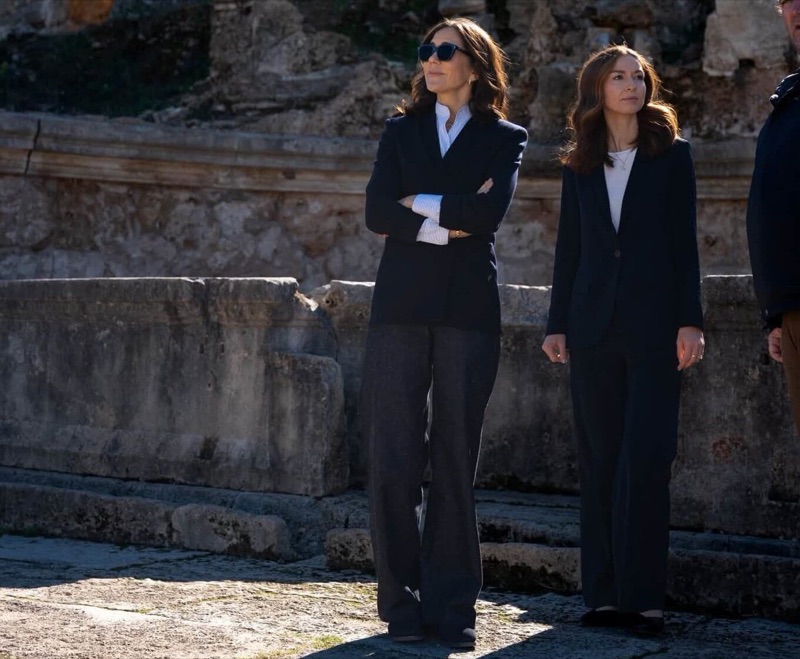
Today, visitors can see a large theatre, a stadium, Roman baths and several large fountains. Archaeologists are still making new finds. In recent years, large floor mosaics have been uncovered, among other things.
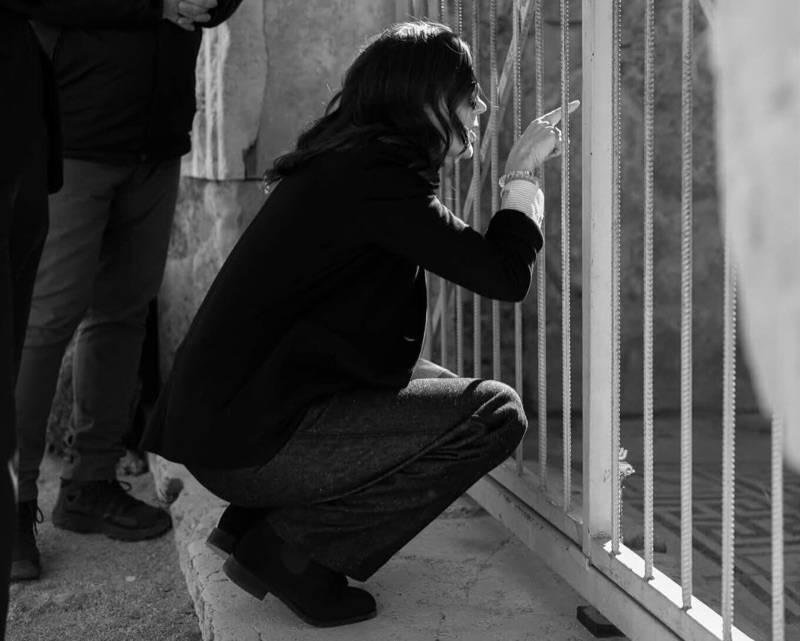
Denmark and Türkiye dig together
The visit was meant to highlight cooperation between Denmark and Türkiye on antiquity. According to the Royal House, Danish and Turkish archaeologists have excavated together for many decades, and in recent years museums in the two countries have also worked together.
The cooperation has also had a difficult side. For more than 50 years, the Ny Carlsberg Glyptotek in Copenhagen owned the head of a bronze statue of the Roman Emperor Septimius Severus. The statue was stolen from an excavation site in Türkiye in the 1960s, and the rest of it ended up in the United States. After an investigation, the museum decided in 2024 to give the head back. According to the Royal House, last year the Glyptotek returned the bronze statue and around fifty terracotta figures to Antalya, where the statue is now reunited at the Antalya Museum.
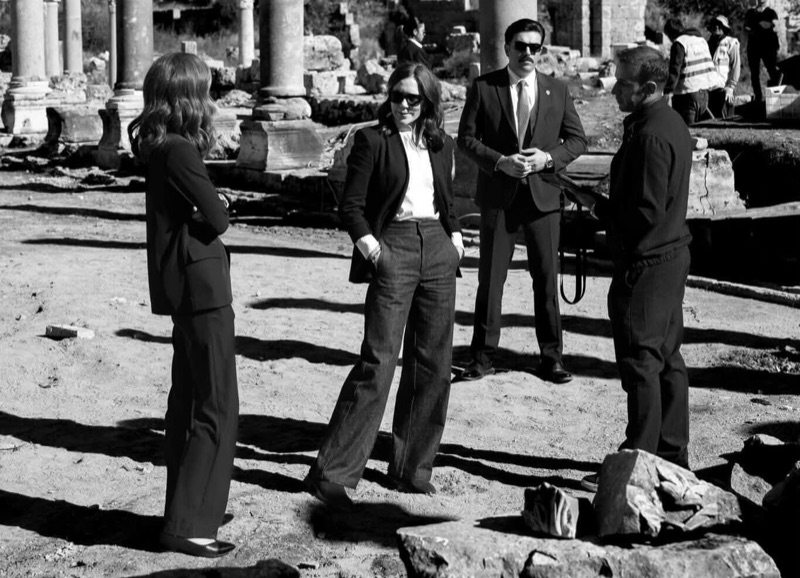
After the visit to Perge, the Queen went on to the climate conference, where she opened the Danish Pavilion. You can read more about that in the article on her first day at COP31.