Photo: PA
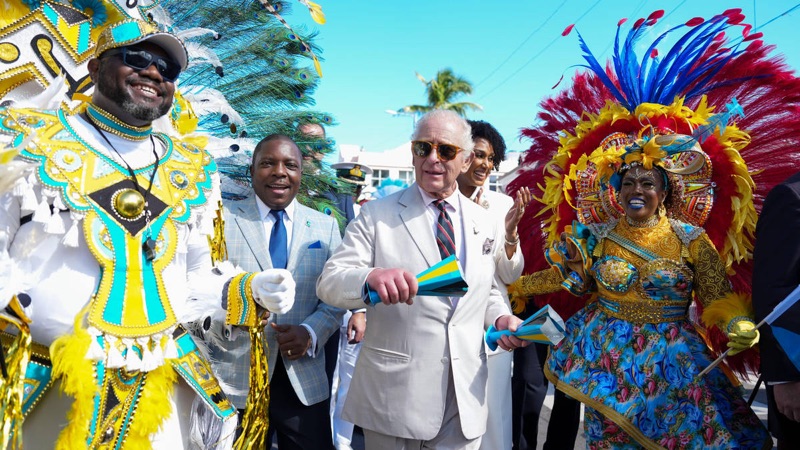
King Charles dances with maracas at Junkanoo in The Bahamas
King Charles danced with maracas in a Junkanoo parade in Nassau. Earlier in the day he honoured four fallen marines, met young boxers wearing his picture on their T-shirts and walked through a mangrove forest that was once a rubbish dump.
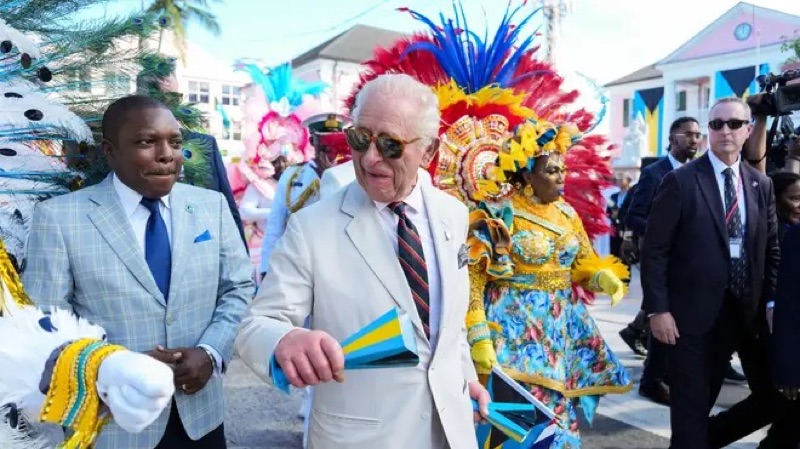
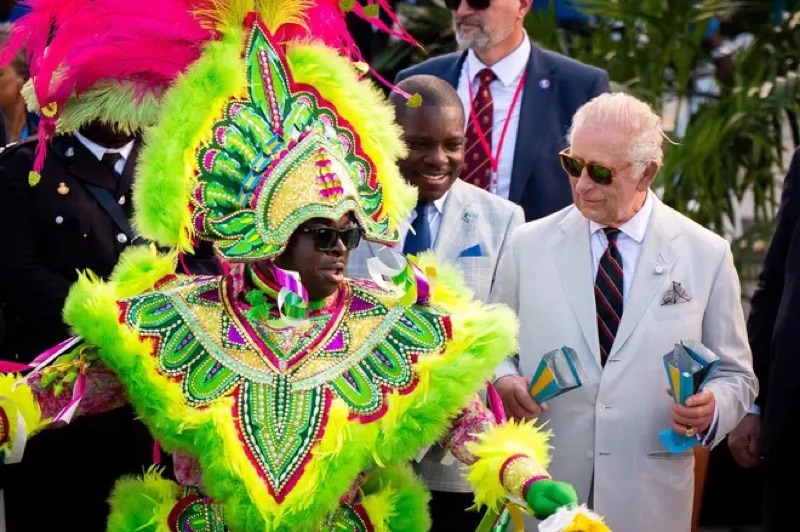
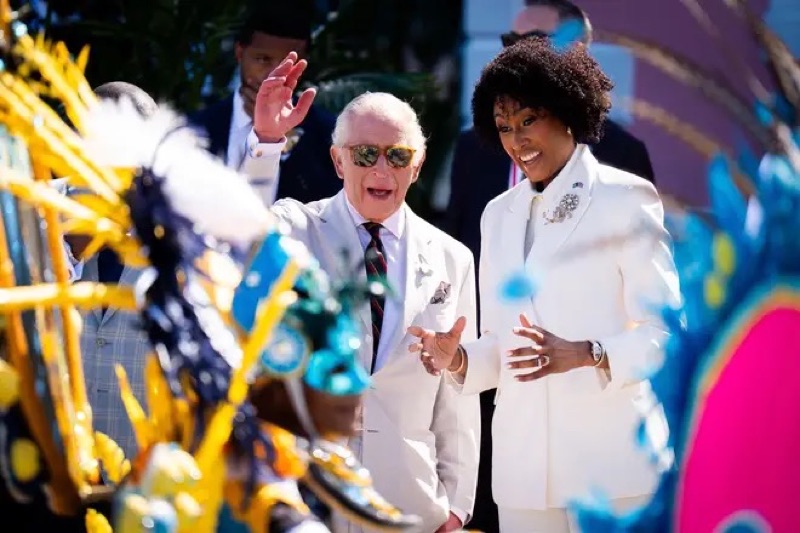
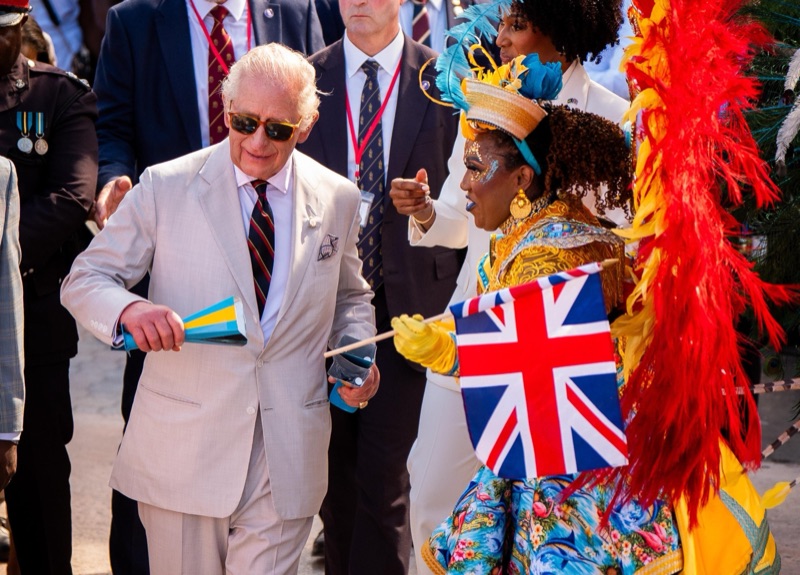
With maracas in the colours of The Bahamas in his hands, King Charles on Wednesday stepped into a Junkanoo parade in Nassau and danced some 20 metres with the musicians, to cheers from the crowd. It was the highlight of a long second day in The Bahamas, in which the King also honoured fallen servicemen, watched young boxers in the ring and walked through a mangrove forest.
Honouring the four marines
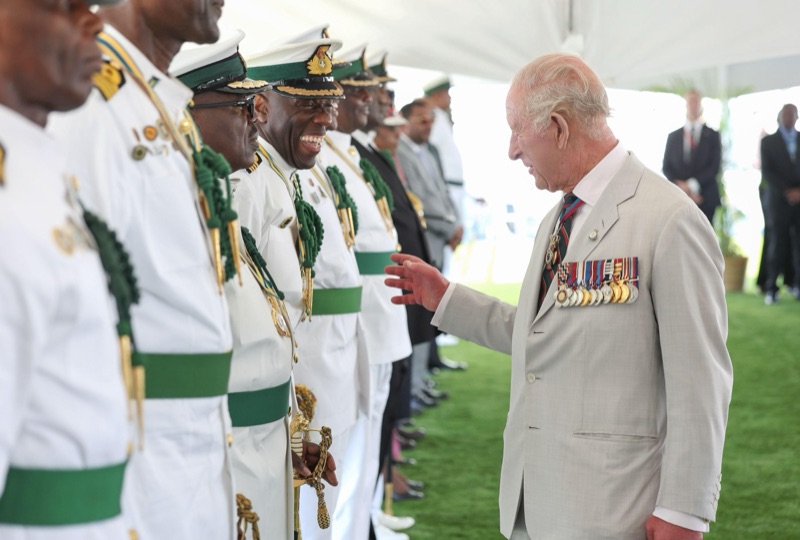
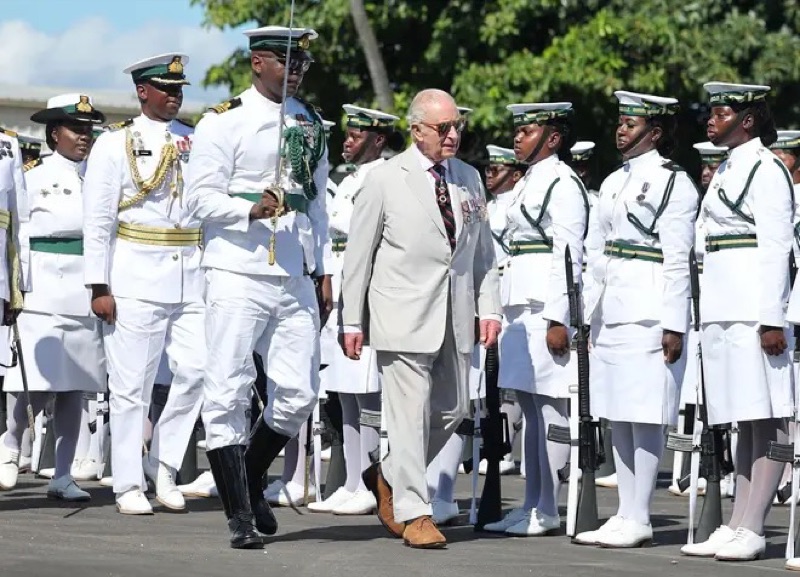
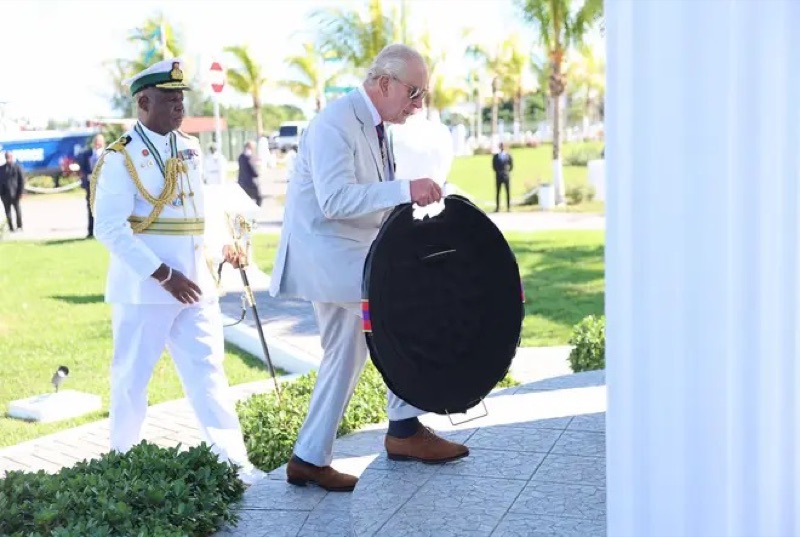
The day began at the Royal Bahamas Defence Force base at Coral Harbour. The King, wearing his medals, inspected the troops and spoke with servicemen, servicewomen and veterans. He then laid a wreath at the Flamingo Monument.
The monument commemorates four marines killed on 10 May 1980, when the patrol vessel HMBS Flamingo was sunk by Cuban fighter jets after a dispute over illegal fishing by Cuban boats. The King met the families of Fenrick Sturrup, Austin Smith, David Tucker and Edward Williams, and Gregory Curry, one of the survivors.
Boxing with the King on their chests
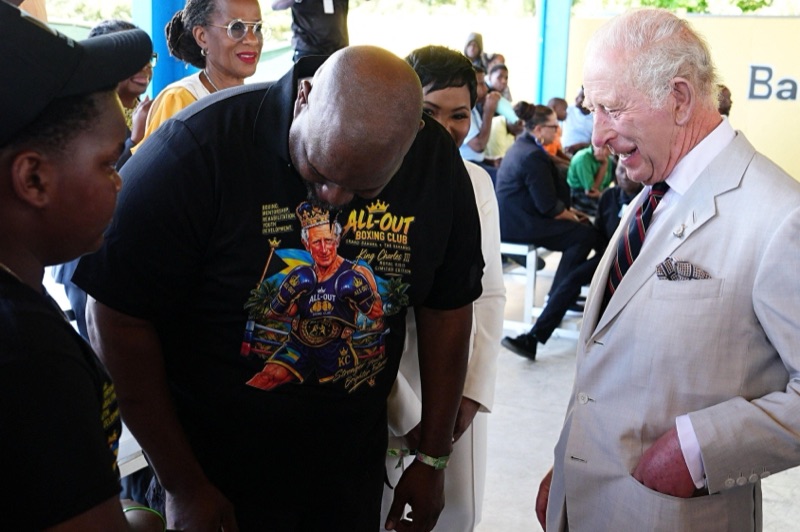
At the Bahamas Boxing Academy, which trains boys and girls aged 8 to 18, the King was greeted by young boxers and coaches wearing T-shirts with a picture of himself in a crown, boxing gloves and a championship belt. "He loved it," said Jermaine Gibson, president of a nearby boxing club. "He said it was really good and we gave him one of his own." The King watched two young boxers spar in the ring. "I might see you at a Commonwealth Games," he told a group of children.
From rubbish dump to mangrove forest
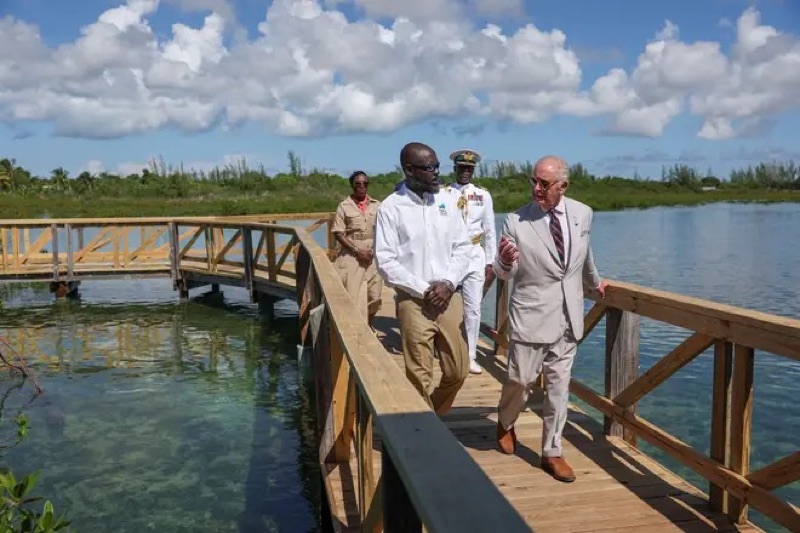
At Bonefish Pond National Park the focus was the climate, a key theme of the whole tour. The park was once a rubbish dump but now protects 1,235 acres of mangroves, which shield the low-lying island from the sea. The King, who is Patron of the Bahamas National Trust, walked along a new boardwalk through the wetlands and met students doing fieldwork in the water. He asked them about their exams and their ambitions to become marine biologists.
"We've so been looking forward to this," said Joanne Smith, president of the Bahamas National Trust Council. "We want more Bahamians to get involved in our national parks."
Junkanoo in the afternoon
Junkanoo is The Bahamas' great carnival parade of music, dance and colourful costumes, usually held on Boxing Day and New Year's Day. Its origins are not certain, but it is believed to have emerged during slavery, when enslaved people were given time off at Christmas.
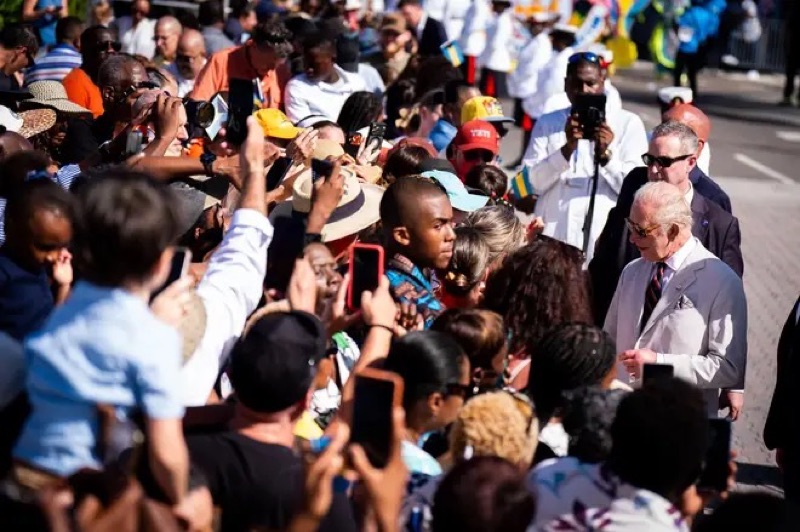
Before joining the parade, the King greeted people along the barriers. Seven-year-old Sapphira Edwards said the King thanked her for coming and worried that she and the others had been standing too long in the heat. He also played the cowbells. A small group calling for slavery reparations held up placards nearby but was moved on by police.
A garden reception at Government House
After meetings with Prime Minister Philip Davis and Governor-General Dame Cynthia Pratt, the King ended the day with a garden reception at Government House. There he met Bahamians who have made significant contributions through voluntary work, public service and their communities. Bishop Laish Boyd led a short prayer, giving thanks for the close relationship with the United Kingdom. "We celebrate the good that this connection has brought to both of us over the centuries. And we recognise that there have been some not so good fruit for both of us," he said.
The Governor-General said she was proud to welcome the King back. "We pray that this royal visit further strengthens the enduring bonds of friendship between the Crown and the Bahamian people," she said.
On Thursday the King travels on to Guyana, where his programme focuses on nature and the environment.